Benefits of Natural Horse Treats vs. Processed: A Nutritional Comparison
Benefits of Natural Horse Treats vs. Processed: A Nutritional Comparison
Choosing natural horse treats over processed alternatives provides superior nutritional bioavailability, reduces the risk of metabolic spikes, and supports long-term digestive health. While processed treats often rely on synthetic preservatives and inexpensive fillers to extend shelf life, natural horse treats utilize whole-food ingredients that align with the equine digestive system’s evolutionary needs. Transitioning to natural options ensures that rewards contribute to a horse’s total wellness rather than introducing inflammatory agents into their diet.
The Risks Associated with Processed Fillers
Processed horse treats frequently contain “grain by-products” or “middlings,” which are the leftovers from commercial milling. These fillers often lack consistent nutritional profiles and can lead to fluctuations in a horse’s blood glucose levels. Many commercial options also include artificial dyes and chemical preservatives such as BHA, BHT, and ethoxyquin, which are linked to various health concerns in livestock.
Furthermore, processed treats are often high in refined sugars to increase palatability. For horses at local stables or high-performance equestrian facilities, these hidden sugars can be detrimental. High-sugar diets are a primary contributor to Equine Metabolic Syndrome (EMS) and laminitis, making the “cheap” processed reward a potential long-term liability for the owner.
The Power of Natural Ingredients: Oats and Dates
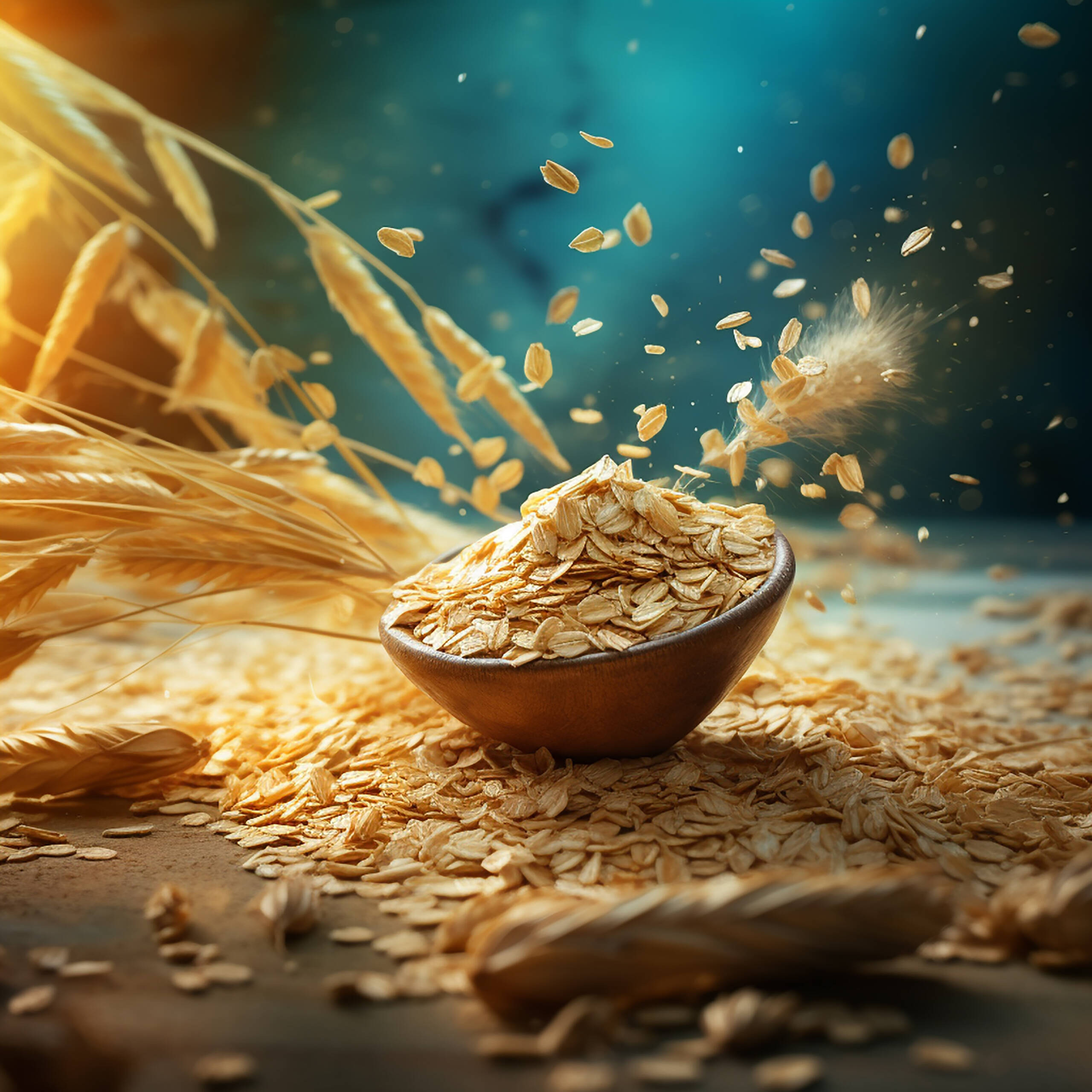
In contrast, natural treats leverage the power of whole grains and fruits. Oats are a staple in equine nutrition for a reason; they are highly digestible and provide a source of “cool” energy. Unlike corn or barley, oats have a high fiber content (approximately 10-12%), which slows the release of starch into the small intestine, preventing the sugar crashes associated with processed pellets.
Dates serve as an exceptional natural sweetener and binder. They are packed with dietary fiber, potassium, and magnesium, which support muscle function and hydration. While processed treats use corn syrup to hold their shape, dates offer a low-glycemic alternative that provides a slow burn of energy, making them ideal for horses in training or those requiring steady focus during competition.
Molasses and Flax Seeds: Essential Nutrients
Quality natural treats often incorporate molasses in its unsulphured form. This ingredient is a rich source of iron, calcium, and B vitamins. In controlled amounts, molasses acts as a natural prebiotic, stimulating the growth of beneficial bacteria in the hindgut. It provides the iron necessary for oxygen transport in the blood, which is vital for the stamina of performance horses.
Flax seeds (linseed) are perhaps the most critical addition to a natural treat regimen. They are one of the richest plant-based sources of Omega-3 fatty acids. Research indicates that Omega-3s are essential for reducing systemic inflammation and improving hoof quality. A consistent intake of flax seeds via natural treats can result in a visible “bloom” on the horse’s coat and improved joint mobility, benefits that synthetic treats cannot replicate.
Bioavailability and Gut Health
The equine digestive tract is highly sensitive to changes in microflora. Processed treats often contain soy hulls or cereal straw, which provide bulk but very little usable nutrition. This forces the horse’s system to work harder to extract minerals. Natural ingredients are highly bioavailable, meaning the vitamins and minerals are in a form that the horse’s body recognizes and absorbs efficiently.
Data shows that approximately 70% of a horse’s immune system resides in its gut. By avoiding the artificial flavorings found in processed rewards, owners help maintain a stable pH level in the cecum. Natural treats, specifically those containing oats and flax, provide the soluble fiber necessary to keep the digestive tract moving, reducing the risk of impaction colic in stalled horses.
Performance and Long-Term Health Benefits
For competitive riders and owners of performance horses, every calorie counts. Processed treats provide “empty calories” that can lead to unhealthy weight gain without muscle support. Natural treats, however, act as a nutritional supplement. The amino acids found in whole grains and seeds contribute to muscle repair and recovery after strenuous exercise.
The long-term cost-benefit analysis also favors natural options. While a bag of processed treats may be cheaper at the point of sale, the potential for increased veterinary costs due to metabolic issues or poor coat condition often outweighs the initial savings. Investing in treats made with dates, molasses, and flax is a proactive approach to equine preventative medicine.
Actionable Takeaways for Equine Owners
- Check the Label: Avoid any treats listing “grain by-products,” “artificial flavors,” or chemical preservatives like BHA/BHT.
- Prioritize Omega-3s: Select treats containing flax seeds to support skin health and reduce inflammation.
- Monitor Sugar Intake: Opt for treats sweetened with dates or unsulphured molasses rather than high-fructose corn syrup.
- Focus on Digestion: Use oat-based treats to provide necessary fiber and prevent digestive upset during training.
- Observe the “Bloom”: Monitor your horse’s coat and hoof quality; a switch to natural treats often results in visible improvements within 30 to 60 days.