What Are the Healthiest Treats to Give a Horse?
What Are the Healthiest Treats to Give a Horse?
The healthiest treats for a horse are low-sugar, fiber-rich natural foods that provide nutritional benefits beyond simple calories without disrupting the delicate balance of the equine hindgut. While traditional snacks like carrots and apples are acceptable in moderation, the gold standard for equine rewards includes flax seeds, whole oats, and dates, which offer essential fatty acids and minerals. It is vital to prioritize treats that maintain a low glycemic index, especially for horses prone to metabolic issues like Laminitis or Equine Metabolic Syndrome (EMS).
The Nutritional Profile of a Healthy Reward
Equine nutritionists emphasize that a horse’s diet should primarily consist of forage, which makes up roughly 1.5% to 2% of its body weight daily. When introducing treats, the Non-Structural Carbohydrate (NSC) content is the most critical metric to monitor. High-sugar snacks can trigger insulin spikes, whereas healthy treats focus on slow-release energy and digestive support.
Data suggests that treats should never exceed 10% of a horse’s total daily caloric intake. By selecting ingredients with high Omega-3 fatty acids and digestible fiber, owners can improve coat quality and joint health while rewarding their animals. Natural ingredients provide bioavailable vitamins that synthetic pellets often lack.
Whole Oats: The Gold Standard for Energy
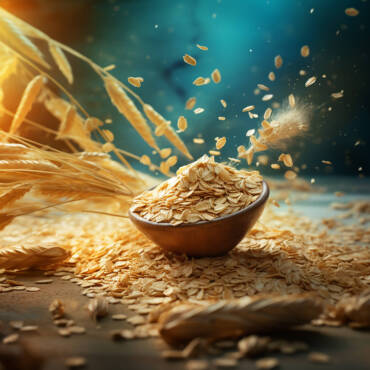
Oats have been a staple in equine diets for centuries because they are the most digestible of all cereal grains for horses. Unlike corn or barley, the starch in oats is easily broken down in the horse’s small intestine, preventing undigested starch from reaching the hindgut where it could cause fermentation issues. They are an excellent source of phosphorus and B vitamins, which support muscle function and energy metabolism.
When used as a treat, whole oats provide a satisfying crunch and a boost of protein (roughly 12%). For performance horses or those needing to maintain weight, a handful of oats serves as a high-value reward that mimics their natural grain intake. However, because they contain starch, they should be used sparingly for “easy keepers” or sedentary ponies.
Dates: Nature’s High-Potassium Powerhouse
While less common in some regions, dates are an exceptional natural treat for horses, particularly those involved in high-intensity disciplines like endurance or eventing. Dates are rich in potassium, magnesium, and vitamin B6. Potassium is a vital electrolyte that horses lose through sweat during exercise, making dates a functional recovery snack.
A single date contains approximately 66 calories and a high concentration of fiber, which slows the absorption of its natural sugars. Always ensure the pit is removed before feeding to prevent choking or intestinal blockages. Because of their natural sweetness, they are highly palatable and can be used to hide medication if necessary.
Flax Seeds: Omega-3s for Skin and Coat Health
Flax seeds, also known as linseeds, are arguably the most nutritionally dense additive you can include in a horse’s treat regimen. They are one of the richest plant-based sources of Alpha-Linolenic Acid (ALA), an Omega-3 fatty acid. Research indicates that Omega-3s help reduce systemic inflammation and can significantly improve skin conditions such as “sweet itch” (culicoides hypersensitivity).
Flax seeds also contain mucilage, a soluble fiber that aids in the smooth passage of sand and debris through the digestive tract, potentially reducing the risk of sand colic. To ensure the horse can absorb these nutrients, flax seeds should be ground or “micronized” just before feeding, or incorporated into baked treats where the hull is broken down.
Molasses: The Mineral-Rich Binder
In the world of equine treats, molasses is frequently used as a binder and flavor enhancer. While it is high in sugar, unsulphured blackstrap molasses actually contains significant levels of iron, calcium, and magnesium. It is far superior to refined sugar or corn syrup because it provides these essential trace minerals.
When used in small quantities to bind oats and flax seeds together into a baked biscuit, molasses provides an irresistible scent and taste. For horses that are picky eaters or those being hydrated with “mash” after a long trailer ride, a tablespoon of molasses can encourage water consumption and provide a quick source of iron.
Safe Feeding Practices and Moderation
Even the healthiest ingredients can cause issues if fed incorrectly. Always introduce new treats gradually to avoid upsetting the microbial population in the horse’s gut. For horses with a history of choking (Equine Esophageal Obstruction), treats should be broken into small, manageable pieces or softened with water.
Be aware of the “sugar load” when combining ingredients. If you are feeding dates, which are naturally high in glucose, avoid adding excessive molasses in the same serving. Monitoring your horse’s Body Condition Score (BCS) is the best way to determine if your treat regimen is appropriate for their activity level and metabolism.
Actionable Takeaways for Horse Owners
- Prioritize Whole Foods: Choose treats with recognizable ingredients like oats and flax seeds over processed, dyed commercial snacks.
- Check the NSC: Keep sugar and starch levels low, especially for breeds prone to metabolic disorders like Morgans or Quarter Horses.
- Use Functional Ingredients: Select treats that offer benefits, such as flax for coat shine or dates for electrolyte replacement.
- Pit and Prep: Always remove pits from fruits like dates and consider grinding flax seeds to maximize nutrient absorption.
- Consistency is Key: Treat your horse at the same time or for specific behaviors to prevent “nipping” and encourage positive reinforcement.
- Limit Quantity: No more than two handfuls of any treat should be given per day to maintain a balanced nutritional profile.