
The Essential Guide to Natural Horse Treats for Training
The Essential Guide to Natural Horse Treats for Training
Natural horse treats for training are whole-food, minimally processed rewards designed to reinforce positive behavior while maintaining an animal’s metabolic health. Unlike commercial treats that often contain artificial binders, chemical preservatives, and “sweepings” from grain mills, natural treats utilize bioavailable ingredients such as oats, dates, molasses, and flax seeds. These ingredients provide essential macronutrients and minerals that support physical performance and cognitive focus during rigorous training sessions.
The Nutritional Advantage of Natural Ingredients
Choosing natural rewards over processed alternatives is a strategic decision for the serious equestrian. Commercial horse treats frequently contain high levels of corn syrup and artificial dyes which can lead to spikes in blood glucose levels. For a horse in training, these fluctuations can cause irritability or a lack of focus. By contrast, natural ingredients provide a steady release of energy, ensuring the horse remains calm and attentive.
Data suggests that horses are more responsive to rewards that mimic their natural foraging preferences. High-quality natural treats are formulated with a balance of fiber, healthy fats, and natural sugars. This combination not only makes the treat highly palatable but also ensures that the reward contributes to the horse’s daily nutritional requirements rather than detracting from them with “empty calories.”
The Power of Oats in Equine Training
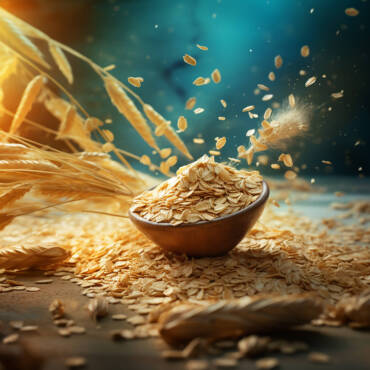
Oats have long been a staple in the equine diet for a reason. They are one of the most digestible grains for horses, offering a safer energy source compared to corn or barley. Oats contain approximately 12% protein and 11% fiber, providing a balanced profile for horses that are burning calories during active training.
When used in treats, oats provide a satisfying crunch and structural integrity. They are rich in phosphorus and B vitamins, which are essential for nerve function and muscle repair. Because oats have a lower glycemic index than many processed cereals, they are less likely to trigger the “sugar rush” behaviors that can impede a productive training session.
Dates: The High-Value Natural Reward
For high-intensity training or complex tasks, trainers often require a “high-value” reward. Dates are an exceptional choice because they are naturally sweet and offer a unique texture that horses find irresistible. Beyond their taste, dates are a powerhouse of potassium, an electrolyte crucial for muscle contraction and fluid balance.
A single date can provide a quick burst of energy derived from glucose and fructose, which is utilized immediately by the horse’s brain and muscles. They are also high in dietary fiber, which slows the absorption of these sugars. This makes dates an ideal tool for clicker training or groundwork where immediate reinforcement is necessary to mark a specific movement.
Molasses: Enhancing Palatability and Minerals
Molasses serves two primary purposes in natural horse treats: it acts as a natural binding agent and provides a rich source of trace minerals. Blackstrap molasses, in particular, contains significant levels of iron, magnesium, and calcium. These minerals are vital for maintaining bone density and preventing anemia in athletic horses.
The scent of molasses is a powerful attractant, making it easier to maintain a horse’s interest in distracting environments. While molasses is high in sugar, when used in small, controlled quantities within a natural treat, it provides the necessary “tackiness” to keep the treat from crumbling in a trainer’s pocket or pouch. This structural reliability is essential for seamless rewarding during movement.
Flax Seeds for Coat Health and Inflammation
Incorporating flax seeds into training rewards adds a therapeutic dimension to the treats. Flax seeds are one of the richest plant-based sources of Alpha-linolenic acid (ALA), an Omega-3 fatty acid. Approximately 50% of the fat content in flax seeds is Omega-3, which is known for its potent anti-inflammatory properties.
Regularly feeding treats containing flax seeds can improve a horse’s coat shine and skin elasticity. In a training context, the anti-inflammatory benefits help support joint health, especially for horses performing repetitive maneuvers or high-impact work. Flax seeds also contain mucilage, a gel-forming fiber that aids in digestive transit and helps prevent gastric upset.
Evaluating Sugar Content and Metabolic Safety
While natural ingredients are superior to synthetic ones, trainers must still monitor the total intake of Non-Structural Carbohydrates (NSC). For horses with metabolic conditions like Equine Metabolic Syndrome (EMS) or Pituitary Pars Intermedia Dysfunction (PPID), even natural sugars from dates and molasses must be strictly rationed.
Most healthy horses can safely process the natural sugars found in a handful of training treats per day. However, it is standard practice to look for treats where the first three ingredients are fiber-based, such as oats or flax, rather than sugar-based. This ensures that the treat functions as a functional food rather than a confection.
Sourcing and Geographic Considerations
When looking for natural treats, consider the geographic origin of the ingredients. Locally sourced oats and flax seeds are often fresher and have a lower carbon footprint. Regional feed stores often carry small-batch treats that utilize ingredients suited to the local climate and soil conditions, which can impact the mineral profile of the grain.
By purchasing treats that prioritize transparent sourcing, owners can avoid contaminants like mold or heavy metals that are more common in lower-tier, imported grain products. Quality control is paramount; look for manufacturers that provide a guaranteed analysis of protein, fat, and fiber on their packaging.
Actionable Takeaways for Equine Owners
- Prioritize Whole Ingredients: Choose treats where the ingredient list features recognizable items like oats, dates, and flax seeds rather than “grain by-products.”
- Monitor Portion Sizes: Even natural rewards add to the horse’s daily caloric intake; adjust the main meal if training sessions are reward-heavy.
- Use High-Value Rewards Strategically: Save the most palatable treats, like those containing dates and molasses, for the most difficult training tasks.
- Check for Anti-Inflammatory Benefits: Opt for rewards containing flax seeds to support the horse’s joints and coat during show seasons.
- Store Correctly: Because natural treats lack chemical preservatives, store them in a cool, dry place to prevent the fats in the flax seeds and oats from becoming rancid.